Editor’s note: Spoilers mentioned
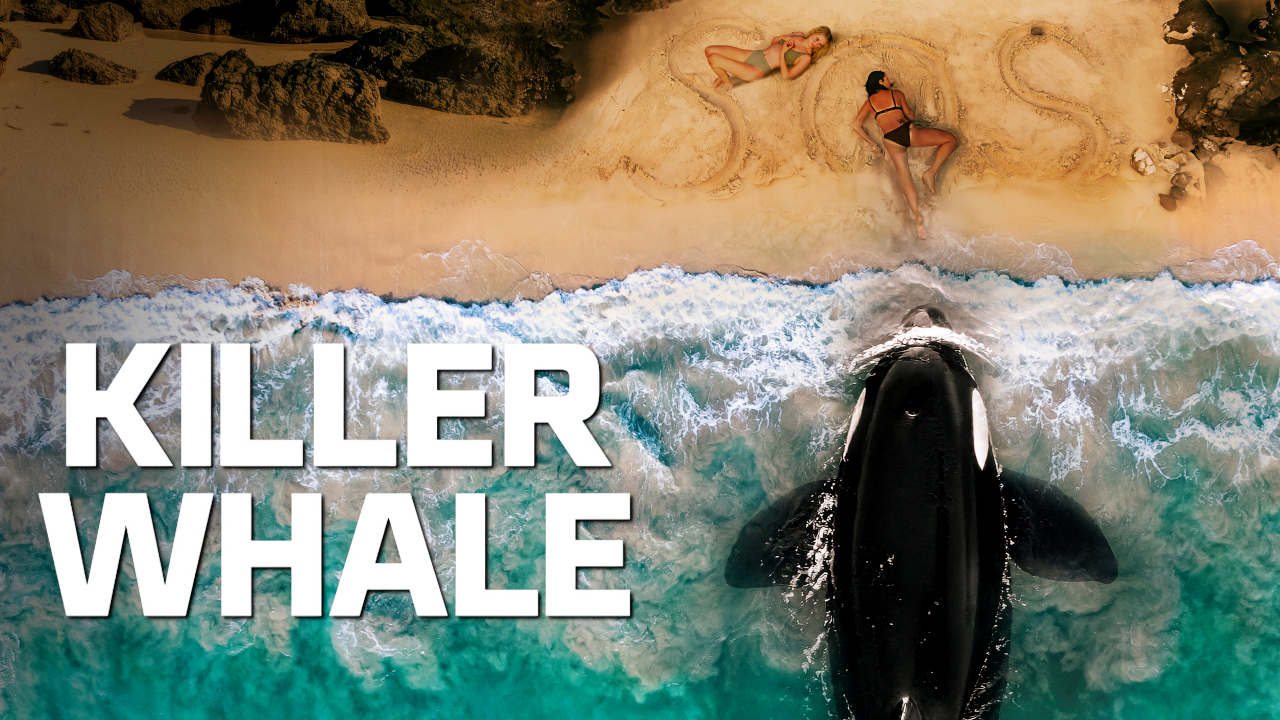
Released on Jan. 16, “Killer Whale” is a slasher-reminiscent horror film featuring an orca as the main antagonist. The movie was written and directed by Jo-Anne Brechin and includes actors Mitchell Hope as Josh, Isaac Crawley as Chad, Virginia Gardner as Maddie and Mel Jarnson as Trish Stevens. It was a complete flop overall, only earning $115,638 in the box office worldwide and repping a 40% on Rotten Tomatoes.
The sloppy film starts with a sequence of wild orcas, combined with reused captive SeaWorld orca footage, as a narrator speaks in the background about the animals’ beauty. It then goes to a prologue of Ceto, a murderous captive Killer Whale, mourning her separated, or speculated dead, calf at OrcaWorld’s “World Of Orca.” In an instant, Ceto turns on a trainer stepping into the water to check on the “grieving” mother. The scene makes no real sense, especially considering the trainer’s attire and her lack of reasoning for stepping into the pool. The film almost feels like they are trying to criticize SeaWorld, but even then, their arguments fall short.
Overall, the opening scenes are sloppy, cheap and try too hard to set the scene with something horrible like every other horror movie, so the audience doesn’t lose attention and click off. The CGI for the Orca is also horribly done. It feels much more cartoonish than that of modern-day CGI work, especially for a professional film–there was better CGI back in the 2000s. The size of the animal is much larger than Tilikum, one of the largest captive whales that SeaWorld ever kept, so it makes no sense. It’s almost like they made Ceto larger so she would seem scarier for the viewers. Ceto is really just a character that’s trying far too hard to demonize wild animals, just like with what “Jaws” did. The effects of “Jaws” are still seen today, and have led to mass demonization, killing and fear of sharks. There is no need for another movie hyping up animals as mad killers, especially since orcas already have issues with people sympathizing with the seals and penguins they eat regularly.
On the topic of “Jaws,” “Killer Whale” has many reused, lazy shots from the film, which undermines any intended scariness. In addition, the numerous plot holes make it impossible for the viewer to understand what the film’s goal is or why any of the characters are even in harm’s way to begin with.
In reality, Orcas are very peaceful animals toward humans. The same can’t be said about certain captive Orca cases. However, those were all due to in-water interactions decades ago with trainers, which have since ceased. The documentary “Blackfish” and other biased films have done widespread damage to the way that people see captive orcas and captive animals in general. “Killer Whale” bases its entire plotline on Ceto being “mad” due to captivity, and throws in occasional “facts” about captive orcas, as if PETA sponsored the film.
Unsurprisingly, there’s still more to this horrible movie. In most scenes, they cheap out and use the attraction “World of Orca,” leaving viewers lost since that isn’t the park’s true name. Similarly, it’s likely that the film used an AI-generated image of a yellow-tinted orca whale that doesn’t seem very anatomically accurate for their logo plastered everywhere. Another inaccurate element is how two random girls outswim an Orca. Even the most skilled scuba-certified swimmer couldn’t outswim an animal of that size. Everything is just very sloppy. At the 45-minute mark, I found myself trying not to fall asleep. Even then, I was half expecting the main protagonist, Maddie, to actually be dead the entire time. Overall, I was very disappointed, and I don’t recommend the movie to absolutely anyone.